 Global Coalition On
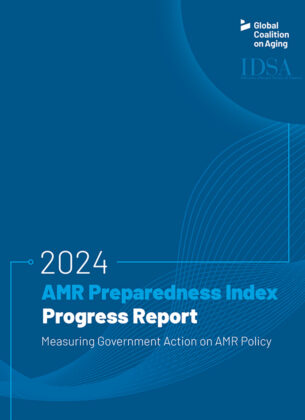


2024 AMR Preparedness Index Progress Report Highlights Urgent Need For Global Action Against Antimicrobial Resistance
Today, the Global Coalition on Aging (GCOA) and the Infectious Diseases Society of America (IDSA) launched the 2024 AMR Preparedness Index Progress Report. Released in the lead up to the United Nations General Assembly 2024 High-level Meeting on Antimicrobial Resistance (AMR) this September, the 2024 Progress Report assesses how the eleven largest global economies have advanced on calls to action laid out in the 2021 AMR Preparedness Index.